

Kyrenia Castle and Old Harbour Visitor Guide
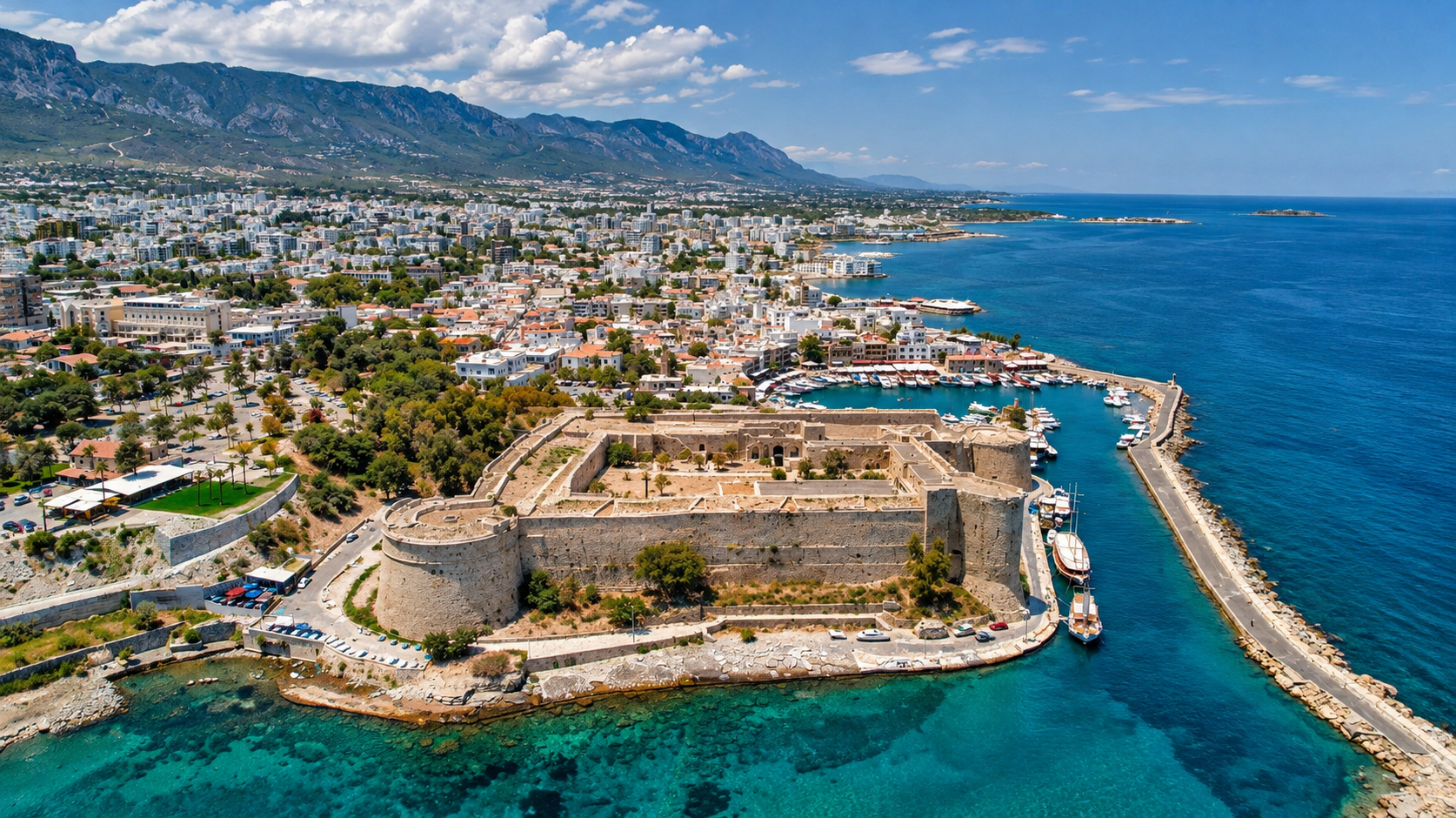
Kyrenia Castle and the Old Harbour are two of the most significant landmarks reflecting the historical character of Northern Cyprus. The castle carries traces of different civilisations through its defensive architecture and museum collections, while the Old Harbour preserves the atmosphere of a traditional Mediterranean port. This guide explores the history of Kyrenia Castle, the main features to see inside its walls and the story of the Old Harbour through the centuries.
Kyrenia Castle and Old Harbour Visitor Guide
Kyrenia Castle and the Old Harbour are two important landmarks for anyone interested in discovering the history and cultural heritage of Northern Cyprus. On one side stands a fortress shaped by centuries of military history and different civilisations; on the other is a historic harbour that once welcomed trading vessels from across the Mediterranean. Located within walking distance of each other, these two sites offer an excellent introduction to the character and past of Kyrenia.
This guide explores the history of Kyrenia Castle, the main features to see within its walls and the story of the Old Harbour through the centuries.
The History and Significance of Kyrenia Castle
Kyrenia Castle stands in the north-eastern part of the town, overlooking the Old Harbour. Its exact construction date has not been established. However, the surviving remains suggest that the original defensive structure was built by the Byzantines around the 7th century to protect the settlement against Arab raids. One of the earliest significant historical references to the castle is associated with 1191, when King Richard I of England captured Cyprus.
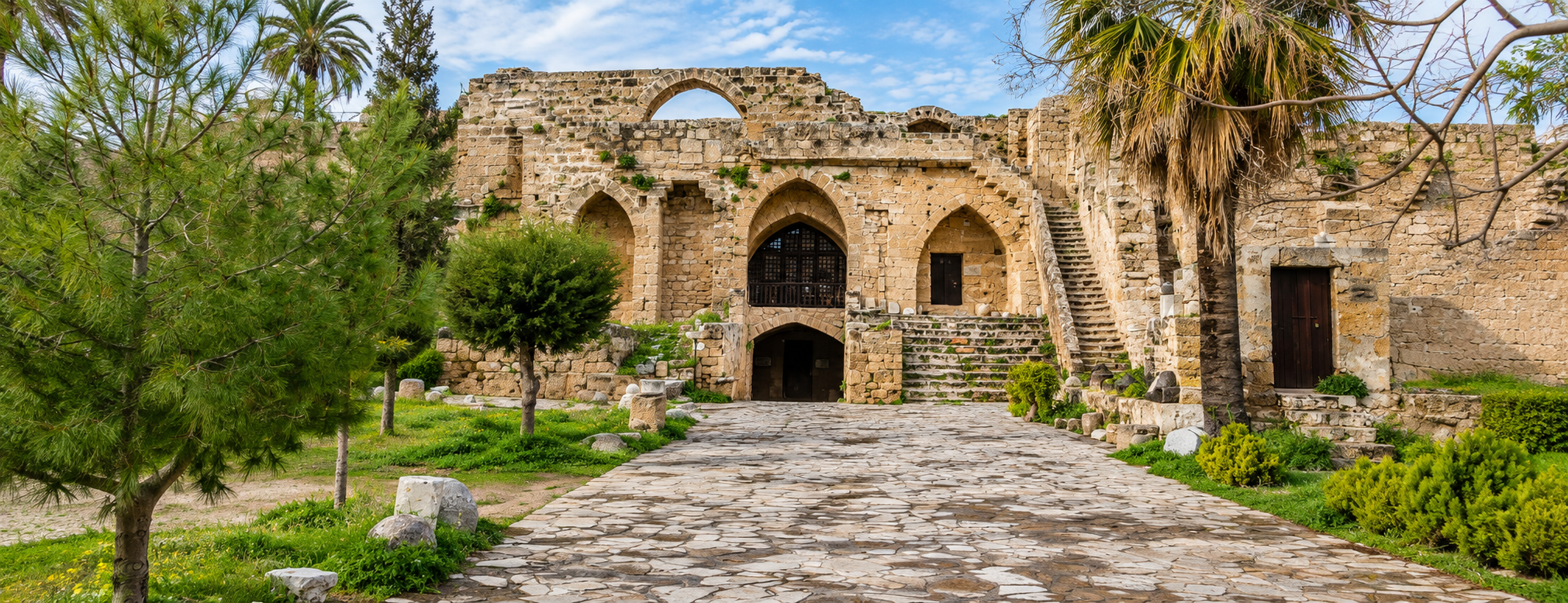
Historic Castle Courtyard
From the Byzantine Period to the Lusignans
The castle was originally a relatively small defensive structure. It was substantially expanded during the Lusignan period. Between 1208 and 1211, under Jean d'Ibelin, regent of Cyprus, new defensive features were added. These developments included an entrance arrangement, towers, arrow slits, guard rooms and dungeons.
The castle suffered considerable damage during the Genoese attack of 1373. It was subsequently repaired and strengthened. These changes helped transform the castle into an important structure reflecting the military and political history of the island.
The Venetian Period and the Castle's Defences
From 1489 onwards, the Venetian administration began strengthening Cyprus's fortifications in response to the growing Ottoman threat. Kyrenia Castle was also redesigned during this period. Thicker defensive walls and towers suitable for artillery were added, increasing its military strength. Much of the castle's present architectural appearance reflects these Venetian modifications.
In 1570, the castle surrendered to the Ottoman army without a battle. It continued to serve different purposes in later centuries. During British rule, it was also used as a prison and a police training school. Today, it is preserved as an important historic site and museum.
What to See Inside Kyrenia Castle
When visiting Kyrenia Castle, it is worth exploring more than its outer walls and views. The interior contains historic structures and museum sections that reflect different periods of the island's past.
St. George's Church
One of the notable structures inside the castle is St. George's Church. Dating from the Byzantine period, the church originally stood as an independent building outside the castle. It was later incorporated into the fortress during Venetian defensive works. Its location makes it an interesting example of how the castle evolved through different historical periods.
The Shipwreck Museum
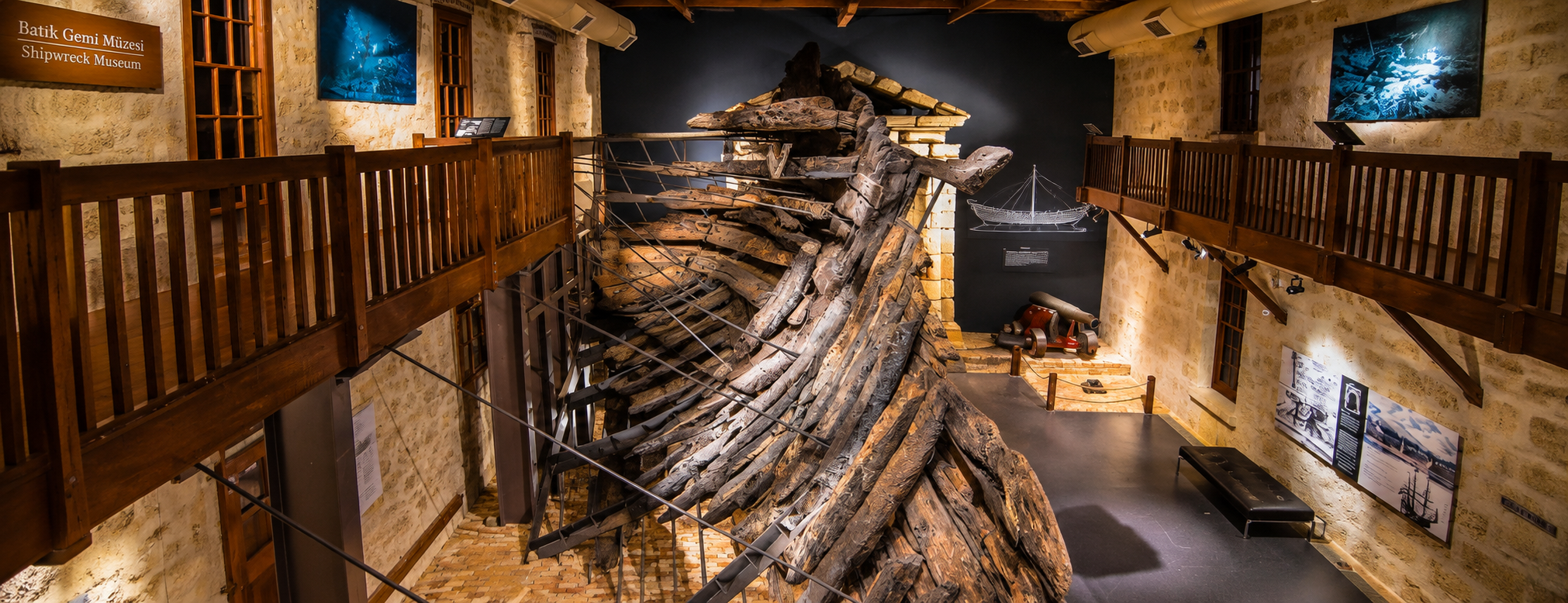
One of the best-known sections of Kyrenia Castle is the Shipwreck Museum. It displays the remains of an ancient merchant ship discovered off the coast of Kyrenia and dated to approximately 300 BC. The objects recovered with the vessel provide valuable insight into ancient maritime trade, transport and everyday life.
The ship holds a special place in the study of ancient Mediterranean seafaring. This section is particularly interesting for visitors with an interest in archaeology and maritime history.
Kyrenia Shipwreck Museum
The Lusignan and Venetian Towers
The towers associated with the Lusignan and Venetian periods are particularly interesting for visitors who want to understand the castle's defensive architecture. They reflect changing military needs and fortification techniques over time. Their thick stone walls, strategic positions and defensive openings help explain how the fortress was protected.
The Dungeons and Inner Courtyard
The dungeon section reflects the castle's military and administrative past. The inner courtyard, meanwhile, brings together architectural elements from different periods. Walking through this area provides a better understanding of the castle's layout and the way its various sections were organised.
The History of Kyrenia Old Harbour
Kyrenia Old Harbour is one of the clearest reminders of the town's long relationship with the sea. Its horseshoe-shaped waterfront, historic buildings and visual connection with the castle give it a distinctive Mediterranean character.
Kyrenia's position on the northern coast of Cyprus made it a useful point of contact with the southern coast of Anatolia and other trading centres in the eastern Mediterranean. Throughout different periods, the harbour served as an anchorage and a centre for cargo and commercial vessels.
From a Trading Port to a Visitor Landmark
During the 19th century, Kyrenia Harbour played an important role in the transportation of agricultural products from the surrounding region. Carobs, olives and grain were among the goods shipped from the harbour, while various everyday and commercial products were brought into the town.
This activity influenced the architecture around the waterfront. Some of the traditional two-storey stone buildings were originally used for storage and commercial purposes. Over time, they became part of the harbour's distinctive appearance. Today, several of these historic buildings accommodate restaurants, cafés and other businesses.
The Architectural Character of the Old Harbour
Walking around the Old Harbour, visitors can see historic stone façades, narrow streets and boats moored along the waterfront. Kyrenia Castle, rising at one end of the harbour, is one of the most recognisable elements of this historic setting.
Today, the harbour is home to fishing boats, yachts and excursion vessels. The combination of historic buildings and modern harbour activity brings the past and present together in one setting.
How to Explore Kyrenia Castle and the Old Harbour
Kyrenia Castle and the Old Harbour are located very close to each other, making it easy to include both in the same visit. You can begin with the castle, exploring its historic structures and museum sections, before continuing with a walk around the waterfront.
Alternatively, you can start at the harbour and visit the castle afterwards. Visitors interested in photography may also enjoy seeing the waterfront from different viewpoints throughout the day. Allow enough time to explore the museum sections inside the castle rather than treating the visit as a quick stop.
Getting to Kyrenia Castle and the Old Harbour
Kyrenia Castle and the Old Harbour are situated in the town centre, making them easy to reach. Once you arrive in central Kyrenia, both landmarks can be explored on foot. Visitors arriving from other parts of Northern Cyprus can travel to the town centre, park in an authorised area and continue their visit on foot.
If you are planning to visit several towns and historic sites across Northern Cyprus, renting a car can give you greater flexibility. Explore the available vehicles and travel arrangements on our car rental in Kyrenia page.
If you are arriving through Ercan Airport, you can also plan your journey from the airport in advance. Visit our Ercan Airport car rental page for further information.
Other Historic Places to Visit Around Kyrenia
If you would like to combine your visit to Kyrenia Castle and the Old Harbour with other historic sites, there are several places worth considering in the surrounding area.
Bellapais Abbey
Located east of Kyrenia, on the slopes of the Five Finger Mountains, Bellapais Abbey is known for its Gothic architecture and historic atmosphere. Its courtyard, arched passages and the surrounding village setting make it an appealing cultural stop to add to a Kyrenia itinerary.
St. Hilarion Castle
Situated high in the Kyrenia Mountains, St. Hilarion Castle is notable for its mountain-top defensive position and wide-ranging views. Unlike Kyrenia Castle, it stands on elevated terrain, so visitors should consider the access route and walking conditions when planning a visit.
If you intend to visit these places on the same day, take the distances, road conditions and time available into account when arranging your route.
Useful Tips for Visiting Kyrenia Castle and the Old Harbour
- Allow enough time to explore the museum sections and historic structures inside the castle.
- Wear comfortable walking shoes, as the site includes stone surfaces and stairways.
- Explore the Old Harbour on foot rather than rushing through the waterfront.
- Look for different viewpoints of the harbour and castle if you enjoy photography.
- Check official announcements for current access arrangements before visiting museums and historic sites.
- If you plan to visit other historic landmarks nearby, include travel and rest breaks in your itinerary.
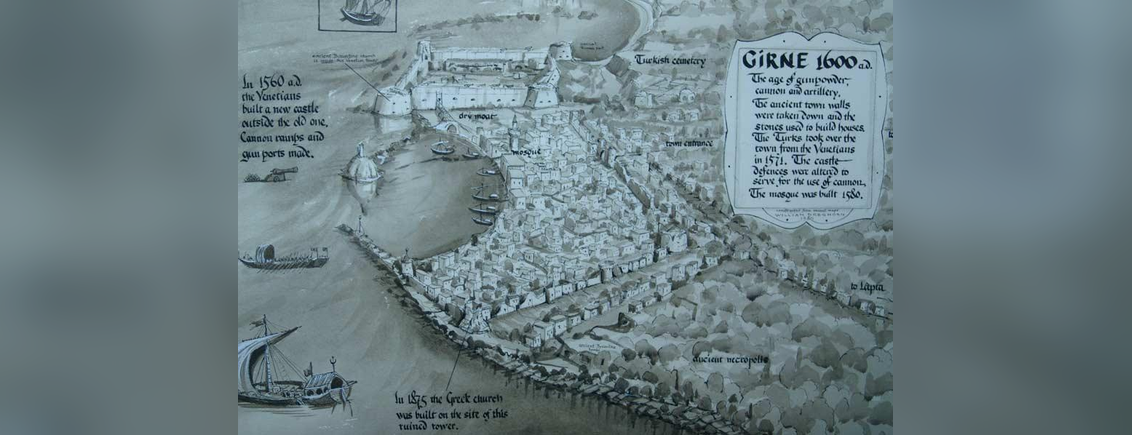
Historic Map of Kyrenia in 1600
Frequently Asked Questions
Where is Kyrenia Castle located?
Kyrenia Castle is located in the town centre of Kyrenia in Northern Cyprus, directly beside the Old Harbour. Its elevated position overlooking the waterfront makes it a prominent part of the town's skyline.
How old is Kyrenia Castle?
The exact construction date is unknown. The surviving remains suggest that the original defensive structure dates back to the Byzantine period, around the 7th century. It was later substantially developed during the Lusignan and Venetian periods.
What can you see inside Kyrenia Castle?
The castle contains St. George's Church, the Shipwreck Museum, towers associated with the Lusignan and Venetian periods, dungeons and a historic inner courtyard.
What can visitors do at Kyrenia Old Harbour?
Visitors can walk along the waterfront, admire the historic buildings, watch the boats and spend time at the cafés and restaurants around the harbour.
Can Kyrenia Castle and the Old Harbour be visited on the same day?
Yes. The two landmarks are very close to each other and can easily be included in the same itinerary. Plan your visit according to how much time you wish to spend exploring the castle's interior.
Can you reach Kyrenia Castle and the Old Harbour by car?
You can drive to central Kyrenia. However, exploring the historic area around the castle and harbour is best done on foot. Leave your vehicle in an authorised parking area before continuing your visit.
Explore Kyrenia with ZMN Rent A Car
Kyrenia Castle and the Old Harbour offer an excellent starting point for discovering the cultural heritage of Northern Cyprus. After exploring these landmarks, you can add Bellapais Abbey, St. Hilarion Castle and other nearby destinations to your travel plans.
If you would like to explore Northern Cyprus at your own pace and visit different destinations more comfortably, take a look at the vehicle options offered by ZMN Rent A Car. Find out more about our car rental service in Kyrenia and choose a vehicle that suits your journey.
The next step of your trip
Car Rental in Kyrenia